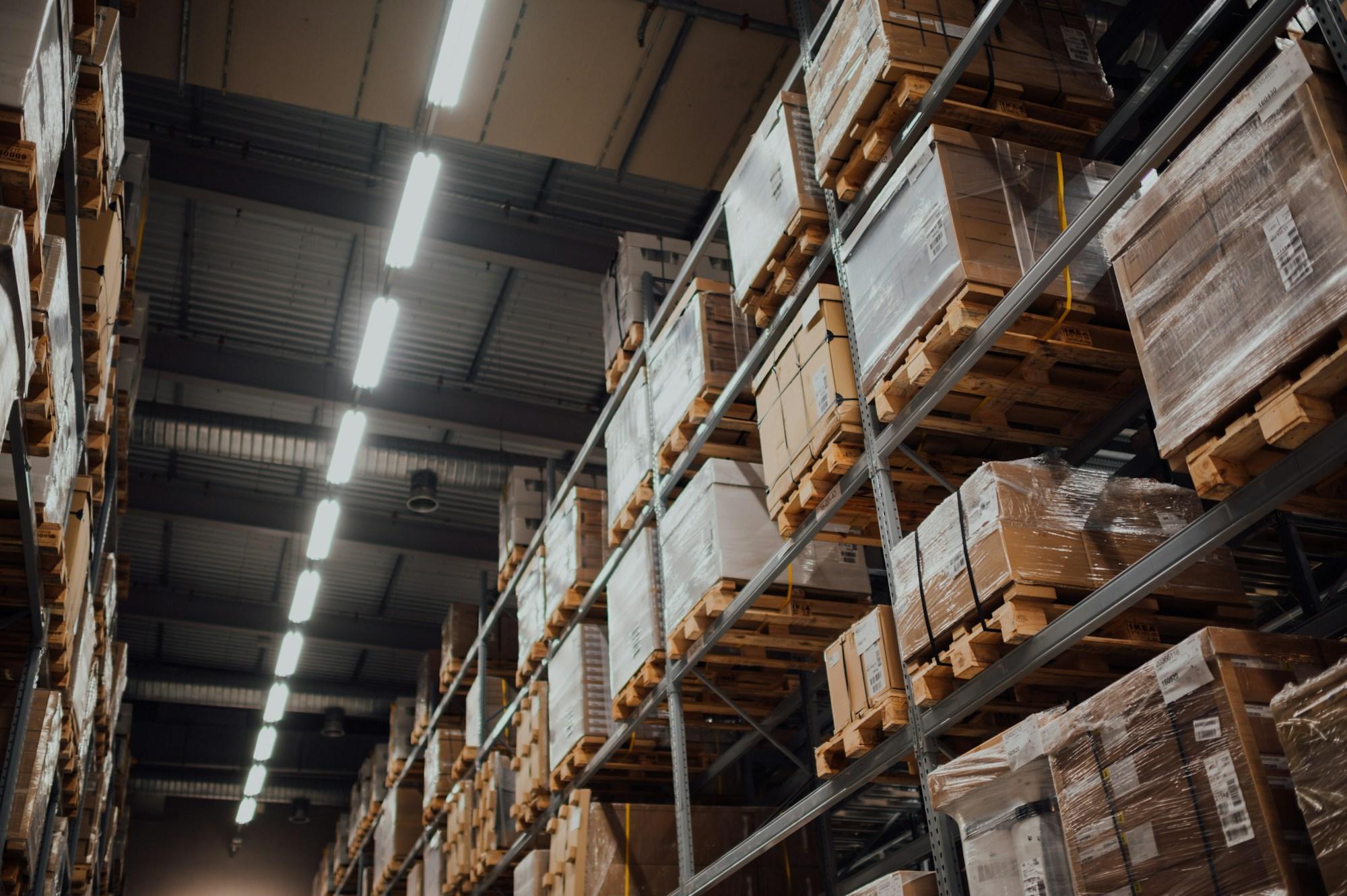
What is a bin store?
The short answer
A bin store is a liquidation shop that pours returned and overstock goods, often from big online retailers, into large bins and charges one flat price for anything in them. The price is highest when the bins are refilled and drops each day until the next restock.
Floor planIllustration
- Bins, unsorted
- Staff desks
- The day’s price
What is a bin store?
A bin store is a discount store that sells mixed, unsorted lots of overstock, returned or hard-to-sell merchandise from big open bins. Instead of a price on each item, there is one price for everything that day. It starts high on restock day and falls daily, so the bins empty before the next load arrives.
ICSC, the shopping-centre trade body, describes bin stores as discount retailers selling mixed lots of overstock and returns, and notes that most are single-store operators, with some small chains emerging, that promote themselves mainly on social media ICSC, Dec 2024.
- The stock is customer returns and overstock, bought from retailers and liquidators by the pallet or truckload.
- The bins hold it unsorted: kitchen tools next to phone cases next to toys.
- The price is flat for every item and falls on a schedule the store publishes, often on its own site or social pages.
- The sale is usually final, because nothing has been tested or sorted.
How does a bin store work?
A bin store buys a load, closes for a day or two to fill the bins, then opens at its top price. Each following day the price for every item drops by a set amount. On the last day it is at its lowest; then the store shuts again, clears what is left and restocks.
Hotbins in Florida is a clear published example: each shipment starts on Friday at $12 an item and drops to $10, $8, $6, $4 and finally $2 on Wednesday; the store closes on Thursday to restock Hotbins. Where Ya Bin in Ohio started items at $14 on Friday and dropped them daily to 25 cents by Thursday, according to The Columbus Dispatch in 2023 Columbus Dispatch, May 2023.
The pattern is the same everywhere; the numbers and days are not. See real schedules side by side in bin store price drop days.
What is the difference between a bin store and a thrift store?
A thrift store sells donated, used goods priced item by item. A bin store sells retailers’ returns and overstock, often new or nearly new, at one flat price that falls through the week. Goodwill outlets sit between the two: unsold donations, in bins, priced by weight at the scale.
| Format | Where the stock comes from | How it is priced | Typical returns |
|---|---|---|---|
| Bin store | Retail returns and overstock, bought by the pallet | One price per item, lower each day | Usually final sale |
| Thrift store | Donations | A price on each item | Varies by store |
| Goodwill outlet | Donations that did not sell in regular stores | By the pound at the scale | Ask the outlet |
Goodwill of Northern New England, for example, says its outlets sell what did not sell in its stores, from large rolling bins, weighed at checkout Goodwill NNE, May 2024. More in Goodwill bins.
Why are bin stores popping up everywhere?
Online shopping sends huge volumes back to retailers, and sorting each return costs more than it is worth, so returns are sold off in bulk. The pandemic sped this up, with closed stores, surplus stock and more online returns, and landlords found bin stores a quick way to fill empty space.
The National Retail Federation estimated that U.S. shoppers would return $849.9 billion of merchandise in 2025, or 15.8% of sales NRF, Oct 2025. ICSC reported in late 2024 that the pandemic was a key catalyst for bin stores, and that landlords often take them on with little fit-out, in spaces that are hard to fill ICSC, Dec 2024.
The same article is a reminder that the model is not easy money: one California operator, Lucky Treasure Hunt, said its sales had fallen since it opened in 2021 and that stock had become dearer as more stores compete for it.
Are bin stores legit?
Yes, bin stores are ordinary retail businesses selling liquidation stock, but you buy with fewer protections than at a normal shop. Items are usually unchecked and sold as-is, with no returns. Judge each store by its posted rules, and each item by your own checks, before you pay.
Resale rules still apply to them. The U.S. Consumer Product Safety Commission says it is illegal to sell any recalled product, and its guidance covers secondhand and resale sellers (CPSC).
Frequently asked questions
Because the stock is sold straight out of big bins rather than shelved. Loads of returns and overstock are unpacked, unsorted, into large open bins or crates, and shoppers dig through them. Many stores price everything in the bins the same, which is where names like the $10 bin come from.
A bin store is one kind of liquidation store. Others shelve and price liquidation stock item by item, like a discount shop. What makes a bin store different is the bins themselves, the single price for everything in them, and the price that falls through the week.
Some items are new, such as overstock that was never sold, and many are customer returns that may have been opened, used or damaged. Stores usually cannot say which is which, because loads arrive unsorted. Treat every find as unchecked until you have looked it over.
No. Plenty of shoppers buy household things for themselves. Resellers are common on restock day because they look for items to sell on, but the store sells to anyone, at the same price.
Sources
- 01Demystifying Bin StoresICSC, Commerce + Communities Today, Dec 2, 2024
- 02Hotbins: daily prices and store rulesHotbins (official site), checked Nov 25, 2026
- 03Where Ya Bin now open near Dublin, offering overstock items as low as a quarterThe Columbus Dispatch (via Yahoo), May 16, 2023
- 04Consumers expected to return nearly $850 billion in merchandise in 2025National Retail Federation (with Happy Returns), Oct 15, 2025
- 05How to shop Goodwill's buy-the-pound outletsGoodwill of Northern New England, May 13, 2024
- 06Stop the online sale of recalled productsU.S. Consumer Product Safety Commission
Checked November 25, 2026. Store prices, days and policies change often, so confirm with the store before you go. We are independent and not paid by any company named. Read the disclaimer or how we check facts.
Related guides
Basics
Price drop days
Real weekly price ladders, side by side, and how to choose the day you shop.
Behind the bins
Where the stock comes from
From a return label to a bin: the liquidation chain and the companies in it.

Basics
Goodwill outlet bins
Donations that didn't sell, in rolling bins, priced by weight at the scale.